The Truth About Teeth Whitening: Separating Safe Science from Dangerous Trends
September ushers in the vibrant spring event season in Australia. The weather clears, the flowers bloom, and the social calendar rapidly fills with weddings, graduations, and outdoor parties. As people prepare their outfits and book their haircuts, attention naturally turns to their smiles.
Everyone wants a bright, luminous smile for the camera. This desire fuels a massive, multi-million-dollar teeth whitening industry.
Unfortunately, this industry includes a wide range of products that vary in their ingredients, concentrations and supporting evidence. The internet overflows with aggressive advertisements for cheap whitening strips, glowing blue lights that plug into smartphones, and viral social media "hacks" promising overnight results.
Many of these cheap alternatives are completely ineffective. Worse, some viral trends cause permanent, irreversible damage to the structural integrity of your teeth. If you want a brighter smile this spring, you must understand the actual chemistry of tooth staining and the biological reality of how whitening works. Let us separate the safe, proven science from the dangerous online trends.
Understanding How Teeth Actually Stain
To understand whitening, you first have to understand why teeth darken in the first place. Your teeth acquire two distinct types of stains: extrinsic stains and intrinsic stains.
Extrinsic stains exist strictly on the outside of the tooth. Your tooth enamel is not perfectly smooth; it contains a microscopic structure that can allow pigments from foods, drinks and tobacco to contribute to tooth discolouration over time. Smoking tobacco also leaves thick, sticky, dark tar deposits on the enamel surface.
Intrinsic stains happen deep inside the tooth. The layer beneath your enamel is called the dentine. Dentine is naturally yellow. As you age, your enamel slowly wears thinner, allowing more of the yellow dentine to show through. Furthermore, physical trauma to a tooth can cause it to bleed internally, turning the tooth a dark grey or black colour from the inside out.
The Danger of Abrasive Whitening Hacks
Social media platforms frequently push "natural" whitening hacks. The most persistent and dangerous trends involve scrubbing the teeth with activated charcoal paste, or mixing baking soda with harsh lemon juice.
These viral hacks completely misunderstand dental science. They do not magically bleach the teeth. Instead, they act as severe abrasives.
Activated charcoal products can be abrasive, and there is limited evidence supporting their effectiveness and long-term safety for tooth whitening. Highly abrasive products may contribute to tooth wear over time. This aggressive scratching does remove the extrinsic surface stains, which makes the teeth look temporarily whiter. Because enamel that has been lost does not regenerate, repeated use of highly abrasive products may contribute to irreversible tooth wear and increased sensitivity.
The Limitation of Over-the-Counter Strips
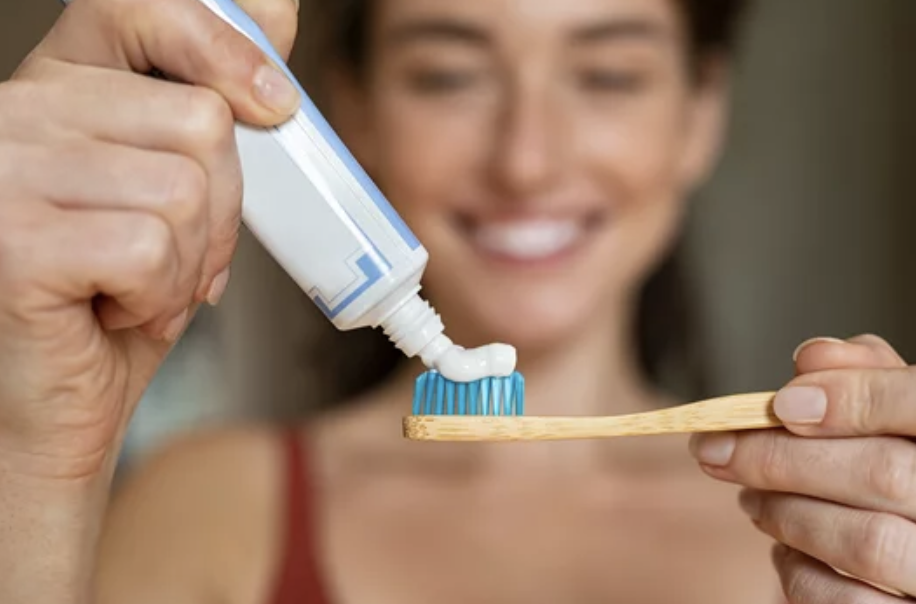
Supermarkets and pharmacies sell hundreds of different whitening strips and paint-on gels. These products generally use a very weak concentration of hydrogen peroxide to bleach the teeth.
While they are much safer than abrasive charcoal, they present significant practical problems. Supermarket whitening strips are flat and generic. Your teeth are uniquely curved and contoured. When you place a flat strip over curved teeth may not adapt as precisely to every surface as a custom-fitted whitening tray, which can result in less even gel distribution.
Furthermore, because the generic strips do not form a precise seal, the bleaching gel may come into contact with the gums and cause temporary gingival irritation if used incorrectly or if excess product contacts the soft tissues.
The Science of Professional Chemical Whitening
True, safe teeth whitening requires controlled chemical bleaching under professional supervision.
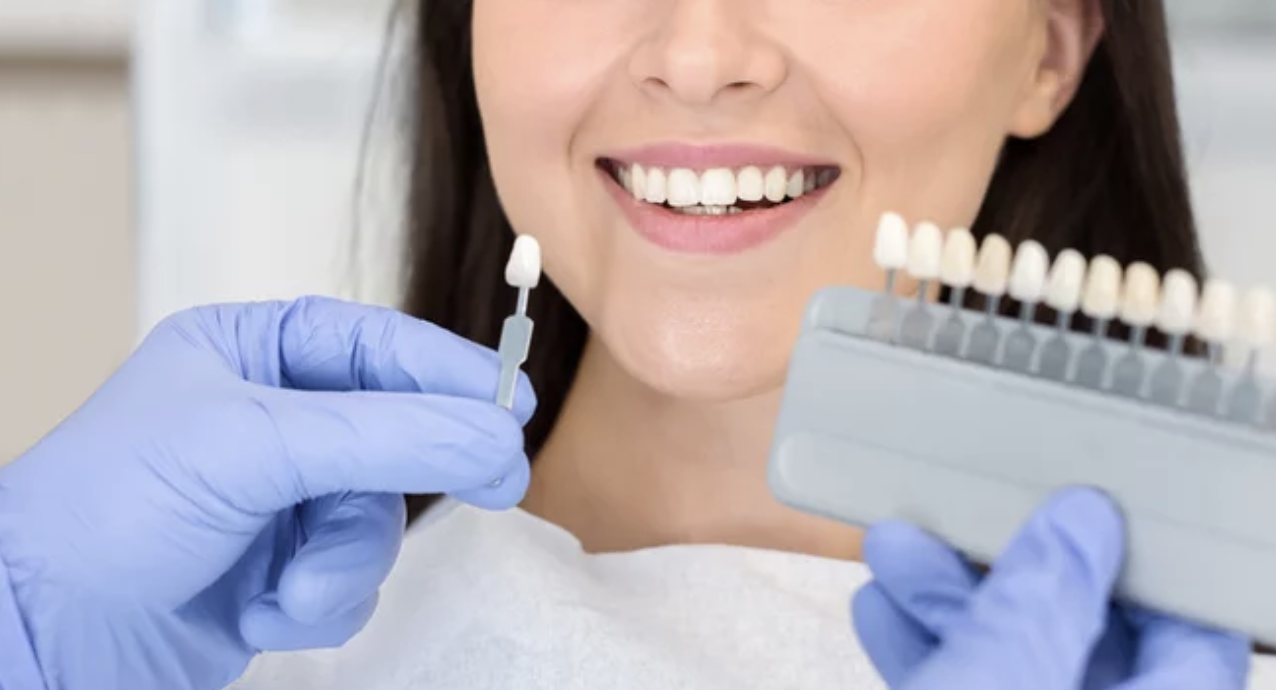
At Happy Smiles dental care, we use highly concentrated, professional-strength peroxide gels. These professional gels are specifically formulated to safely diffuse through the tooth structure, where peroxide oxidises coloured molecules responsible for discolouration. The amount of whitening achieved varies depending on the type and cause of the staining without removing a single layer of physical enamel.
We offer two distinct methods of professional whitening, both designed to protect your safety and deliver predictable results.
In-Chair Whitening vs. Custom Take-Home Kits
In-chair whitening provides immediate results for patients with looming deadlines, such as an upcoming spring wedding. During a single appointment, we carefully apply a protective barrier over your soft gums to prevent any chemical burns. We then apply a high-concentration peroxide gel directly to the teeth. We monitor the chemical reaction closely, ensuring optimal lift in under an hour.
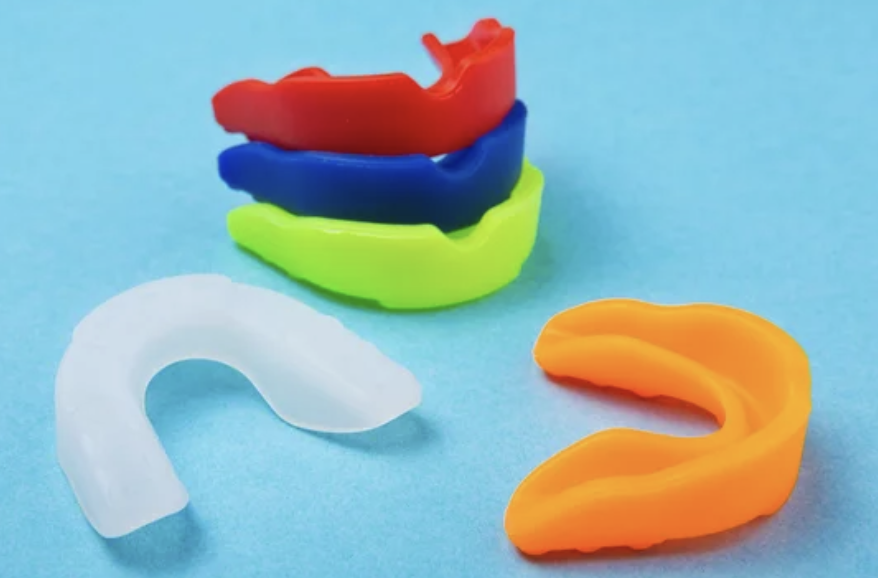
Custom take-home kits provide another professionally supervised option for patients who prefer to whiten their teeth gradually at home. We take precise digital scans of your teeth to create custom-fitted, ultra-thin plastic trays. Because the trays match your exact dental anatomy perfectly, they hold the whitening gel tightly against every curve of your teeth, ensuring perfectly even results.
The custom seal also prevents the gel from leaking onto your gums. You wear these comfortable trays at home, using a slightly lower concentration gel over the course of ten to fourteen days. This gradual approach provides a beautifully bright result and allows you to keep the trays for future top-ups.
Managing Whitening Sensitivity
It is a biological reality that tooth sensitivity is a common temporary side effect of whitening, although not everyone will experience it. Peroxide can diffuse through enamel and dentine towards the pulp, temporarily stimulating the tissues and nerves within the tooth.
This sensitivity is usually temporary and generally settles after whitening is reduced or stopped. If sensitivity is severe or persistent, patients should contact their dental professional for advice.
A professional happy dental approach involves actively managing this sensitivity. We provide specialised desensitising gels containing potassium nitrate to soothe the nerve during treatment. We also guide you on how to pace your whitening schedule. If your teeth feel too sensitive, you simply skip a night of whitening to let the teeth rest.
Do not risk your permanent enamel on dangerous online trends or patchy supermarket strips. If you want a brilliant, safe, and long-lasting smile this spring, consult the professionals. We understand the precise chemistry required to unlock your brightest smile safely.