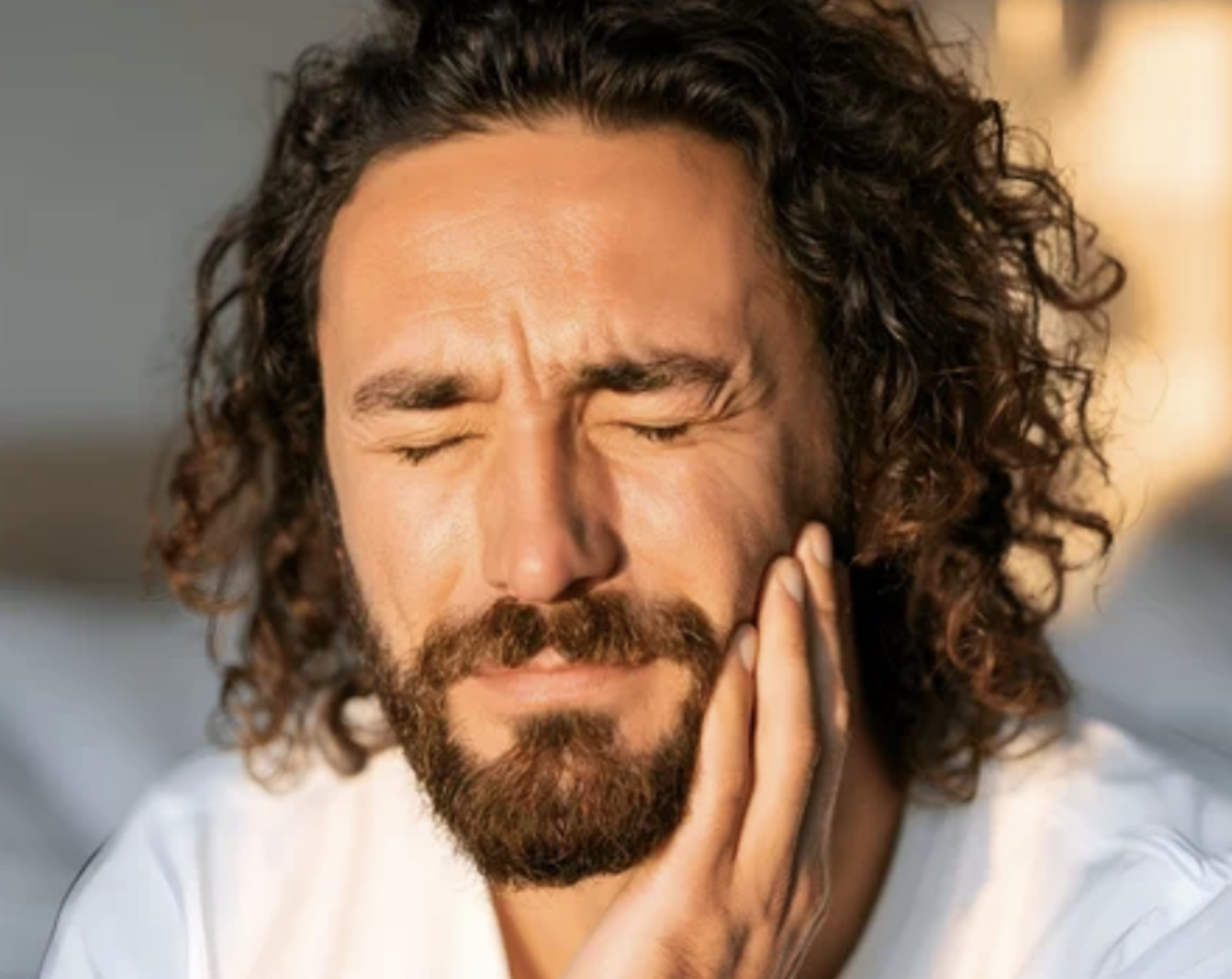
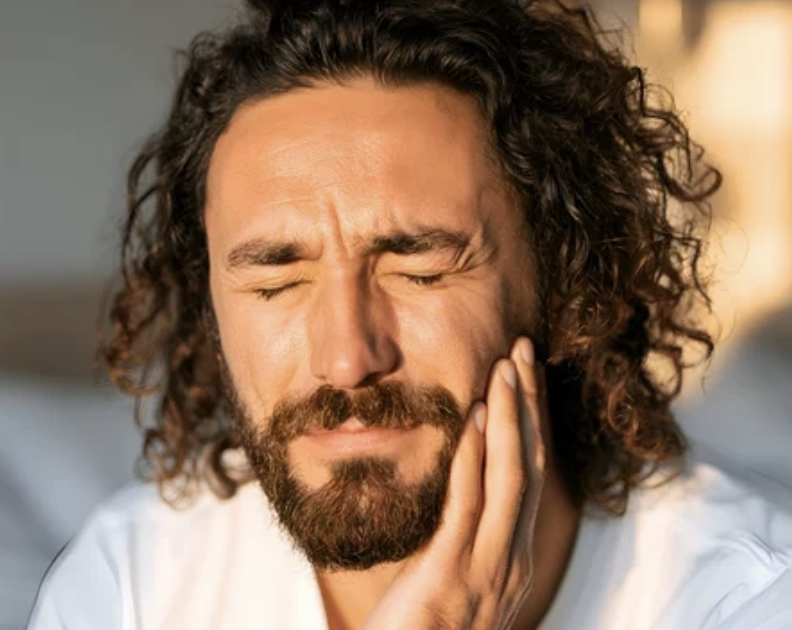
The Silent Grind: How Daily Stress is Wrecking Your Teeth While You Sleep
Modern life operates at a relentless pace. We juggle demanding careers, complex family logistics, financial pressures, and constant digital connectivity. We accept that this chronic daily stress affects our mood, our energy levels, and our cardiovascular health. We experience stress as a tight chest, a racing mind, or a restless night's sleep.
However, many people do not realise that their body actively internalises and physically acts out this stress while they are completely unconscious.
When you fall asleep, your brain should transition into a state of deep, restorative rest. But for millions of highly stressed individuals, the brain remains highly active. It channels unresolved daytime tension directly into the heavy chewing muscles of the face. This results in a destructive, unconscious habit known as sleep bruxism, or teeth grinding.
Let us explore the profound link between daily stress, sleep quality, and the physical destruction of your teeth, and explain how a happy smiles dental intervention can protect your smile and your health.
Understanding Sleep Bruxism
Bruxism is the medical term for the forceful clenching and grinding of the teeth. While some people clench their jaw during the day while concentrating on a difficult task, sleep bruxism is far more destructive because it happens entirely without conscious control.
Your jaw muscles, specifically the masseter muscles in your cheeks, are among the strongest muscles in the human body based on their size. During normal chewing, you exert a carefully controlled amount of force to break down food.
During an episode of sleep bruxism, your brain bypasses these normal safety limits. You bite down with maximum, extreme force, and fiercely rub your upper and lower teeth together. People who grind their teeth at night can exert up to two hundred and fifty pounds of force per square inch directly onto their enamel. They do this repeatedly for hours at a time, completely unaware of the violent activity occurring in their mouth.
The Catastrophic Damage to Enamel
Your tooth enamel is the hardest substance in your body, designed to withstand a lifetime of normal chewing. However, it is not designed to withstand the extreme, friction-based trauma of chronic grinding.
Over time, bruxism causes catastrophic physical damage to the teeth. The intense friction literally sands the enamel away. The natural, curved cusps of the molars become completely flattened. The edges of the front teeth chip, fracture, and wear down into sharp, uneven lines.
As the protective enamel wears away, it exposes the softer underlying dentine. This leads to extreme tooth sensitivity to hot and cold temperatures. Because dentine is softer than enamel, the rate of wear accelerates rapidly once it is exposed. People with severe, untreated bruxism often grind their teeth down to small, flat pegs, eventually requiring full mouth reconstructions with complex crowns.
The Impact on the TMJ and Facial Muscles
The damage from bruxism extends far beyond the teeth. The extreme muscular force places immense strain on the temporomandibular joint (TMJ), which is the complex hinge connecting your lower jaw to your skull.
Imagine forcing your bicep to hold a heavy weight at maximum tension for eight hours every single night. The muscle would become severely inflamed and painful. This is exactly what happens to your jaw muscles.
Patients with bruxism frequently wake up with a dull, aching tension headache that radiates through their temples. They experience tight, sore jaw muscles, and often hear a loud clicking or popping sound when they open their mouths to eat breakfast. Chronic strain on the TMJ can lead to severe joint degeneration, making it painful to chew or even speak.
The Link Between Bruxism and Airway Issues
While psychological stress serves as the primary trigger for bruxism, modern dental science has uncovered another critical cause: airway obstruction.
Sleep bruxism is highly correlated with Obstructive Sleep Apnoea (OSA). When a person with OSA falls asleep, the soft tissues in the back of their throat collapse, temporarily blocking their airway. They stop breathing.
As oxygen levels drop, the brain panics. In a desperate attempt to reopen the airway, the brain forces the heavy jaw muscles to thrust forward and clench tightly. This aggressive jaw movement opens the throat and allows the person to breathe again, but it causes massive grinding damage to the teeth in the process. If you snore heavily and wake up with a sore jaw, your grinding might be an unconscious survival mechanism to keep you breathing.
Protecting Your Smile While You Sleep
You cannot simply tell yourself to stop grinding while you sleep. Because it happens unconsciously, you require a physical intervention to protect your teeth.
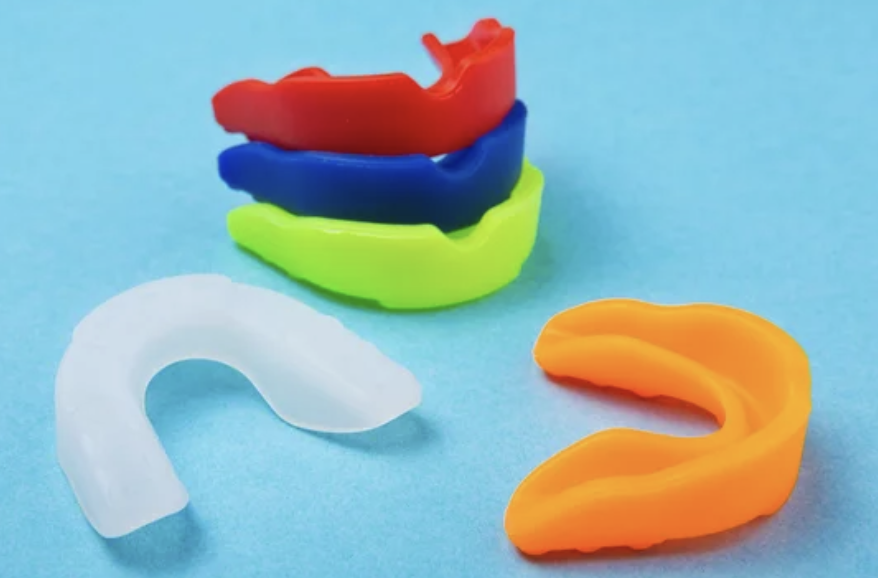
The most effective, immediate solution is a custom-fitted occlusal splint, commonly known as a night guard. Your Happy Smiles dentist takes precise impressions of your teeth to create a rigid, clear acrylic appliance that fits perfectly over your upper or lower arch.
The night guard does not stop your jaw muscles from clenching, but it acts as a physical barrier. When you bite down, your teeth hit the smooth acrylic instead of locking together and grinding. This completely protects the enamel from friction wear. Furthermore, the smooth surface of the guard allows the lower jaw to slide freely, which significantly reduces the strain on the TMJ and helps relax the overactive cheek muscles.
Do not let unresolved daily stress permanently destroy your smile. If you frequently wake up with tension headaches, sore teeth, or a clicking jaw, book a comprehensive evaluation with our Tamworth team. We can provide the protective tools you need to sleep soundly and preserve your health for decades to come.