Spring Clean Your Smile: Refreshing Your Oral Health Routine This September
September marks the official arrival of spring in Australia. The weather begins to warm up across Tamworth, the days grow longer, and we naturally feel a renewed sense of energy. Many of us use this seasonal shift to thoroughly clean our homes, organise our wardrobes, and reset our fitness goals for the warmer months ahead.
However, we rarely apply this same "spring cleaning" mentality to our bathroom cabinets. We often use the same toothbrush for months on end. We ignore the expiration dates on our mouthwash. We rush through our daily brushing routines without evaluating if our methods work.
Your oral hygiene routine requires periodic maintenance. The tools you use degrade over time. The active ingredients in your dental products lose their potency. This September, we challenge you to spring clean your oral health habits. Let us explore exactly how you can reset your routine, upgrade your tools, and protect your smile as we head into the warmer seasons.
The Three-Month Toothbrush Rule
Go into your bathroom right now and inspect your toothbrush. Look closely at the bristles. Do they splay outwards? Do they look bent, frayed, or discoloured? If you cannot remember the last time you bought a new toothbrush, you are almost certainly overdue for a replacement.
Dental professionals universally recommend replacing your manual toothbrush or the head of your electric toothbrush every 3 to 4 months. This is not a marketing gimmick to sell more plastic. It is a general recommendation to help maintain effective plaque removal, although toothbrushes should be replaced sooner if the bristles become visibly worn or frayed.
Your toothbrush operates through mechanical friction. The bristles should remain in good condition to sweep plaque biofilm from the tooth surfaces effectively. They need to effectively clean around the teeth and along the gum line. As bristles become bent and frayed, their cleaning effectiveness can decrease.
You can brush for five minutes straight with a frayed toothbrush, and you will still leave more plaque behind than you may realise. Brushing too aggressively can also contribute to gum irritation and, over time, may contribute to gingival recession, which is why a gentle brushing technique is important.
The Hidden Bacterial Threat on Your Brush
Mechanical wear is only half the problem. Your toothbrush lives in a warm, moist environment, usually a bathroom where the toilet flushes multiple times a day. This creates the ultimate breeding ground for bacteria and fungi.
Every time you brush, you transfer oral bacteria from your mouth directly onto the bristles. Allowing your toothbrush to air-dry between uses helps prevent it from remaining in a damp environment.
When you replace your toothbrush this September, adopt better storage habits. Never store your toothbrush in a closed, airtight plastic case at home, as this traps moisture and promotes mould growth. Store it upright in a cup or holder, exposed to the open air, allowing it to dry thoroughly. Ensure it does not physically touch the toothbrushes of other family members to prevent cross-contamination.
Inspecting Your Dental Products for Expiry
Most people assume that toothpaste and mouthwash last forever. They buy bulk packs on sale and leave them sitting in the back of the cupboard for years. This is a significant mistake. Dental products contain active chemical ingredients that absolutely degrade over time.
Check the crimped edge of your toothpaste tube or the back label of your mouthwash bottle. You will find an expiration date.
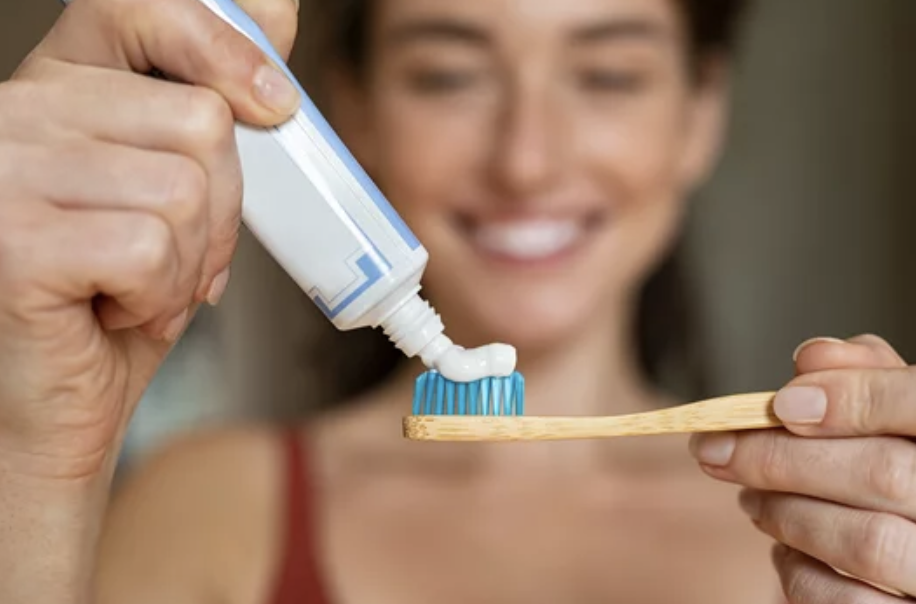
Toothpaste relies heavily on fluoride to help strengthen and remineralise your enamel. Dental products should be used within the manufacturer's expiry date to ensure their active ingredients continue to perform as intended. If your toothpaste is expired, it is best to replace it.
Similarly, the antibacterial agents in therapeutic mouthwashes may not perform as intended once the product has passed its expiry date. Throw away any expired products during your spring clean and invest in fresh, active supplies.
Deep Cleaning Your Dental Appliances
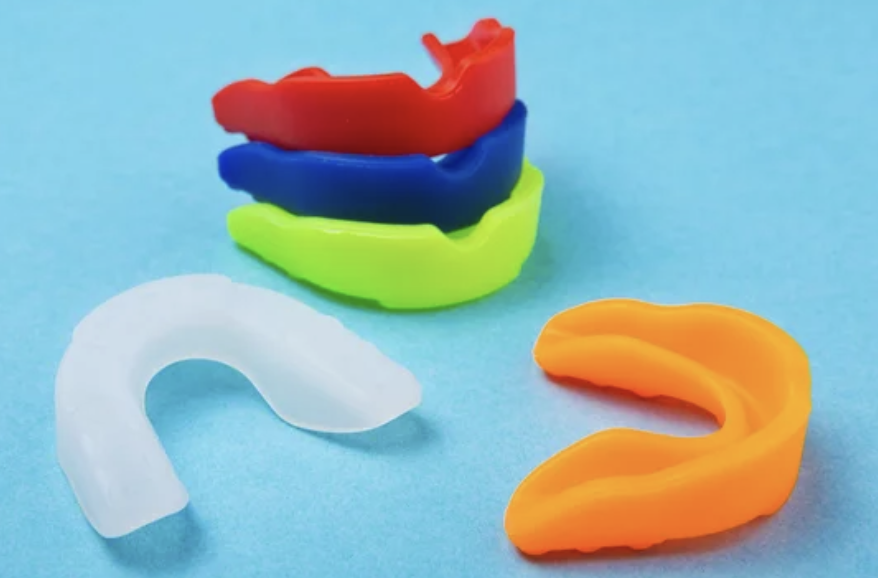
Do you wear a clear orthodontic retainer at night? Do you use a custom night guard to stop teeth grinding? Or perhaps you wear partial dentures? These removable appliances require a rigorous spring clean of their own.
Plaque and tartar do not just build up on natural teeth. They build up heavily on plastic and acrylic appliances. If your retainer looks cloudy, feels slightly slimy, or carries a persistent bad smell, it is covered in a thick bacterial biofilm.
Putting a dirty retainer over clean teeth can reintroduce plaque and bacteria to the teeth and gums, which is why regular cleaning of your appliance is important.
Never use boiling water to clean these appliances, as heat permanently warps the custom-fitted plastic. Different appliances can require different cleaning methods, so follow the instructions provided by your dental professional or the appliance manufacturer. Generally, a soft toothbrush and cool or lukewarm water can be used for gentle cleaning. Avoid using regular toothpaste on clear retainers, as the abrasive particles will scratch the plastic and make it look cloudy.
Evaluating Your Daily Technique
A new toothbrush cannot help you if your brushing technique remains flawed. We often brush our teeth while distracted. We scroll through our phones, walk around the house, or think about the day ahead. This leads to rushed, highly inefficient cleaning.
This spring, bring mindfulness back to your routine. Stand in front of the mirror and watch what your hands are doing.
Are you scrubbing violently back and forth like you are sawing a piece of wood? This aggressive technique destroys your gums. You must angle the bristles at a forty-five-degree angle directly toward the gum line. Use tiny, gentle circles to sweep the plaque away from the gums.
Are you honestly brushing for a full two minutes? Most adults estimate they brush for two minutes, but when timed, they barely reach forty-five seconds. Use the timer on your phone or invest in an electric toothbrush with a built-in vibration timer.
The Professional Spring Clean
You cannot complete a true oral health spring clean without professional help. No matter how perfectly you brush and floss at home, you will inevitably miss microscopic areas of plaque.
Over the winter months, this missed plaque hardens into calculus (tartar). Calculus bonds to your teeth like cement. It creates a rough surface that attracts even more bacteria, leading directly to gum inflammation and bleeding. You cannot remove calculus with a toothbrush or dental floss.
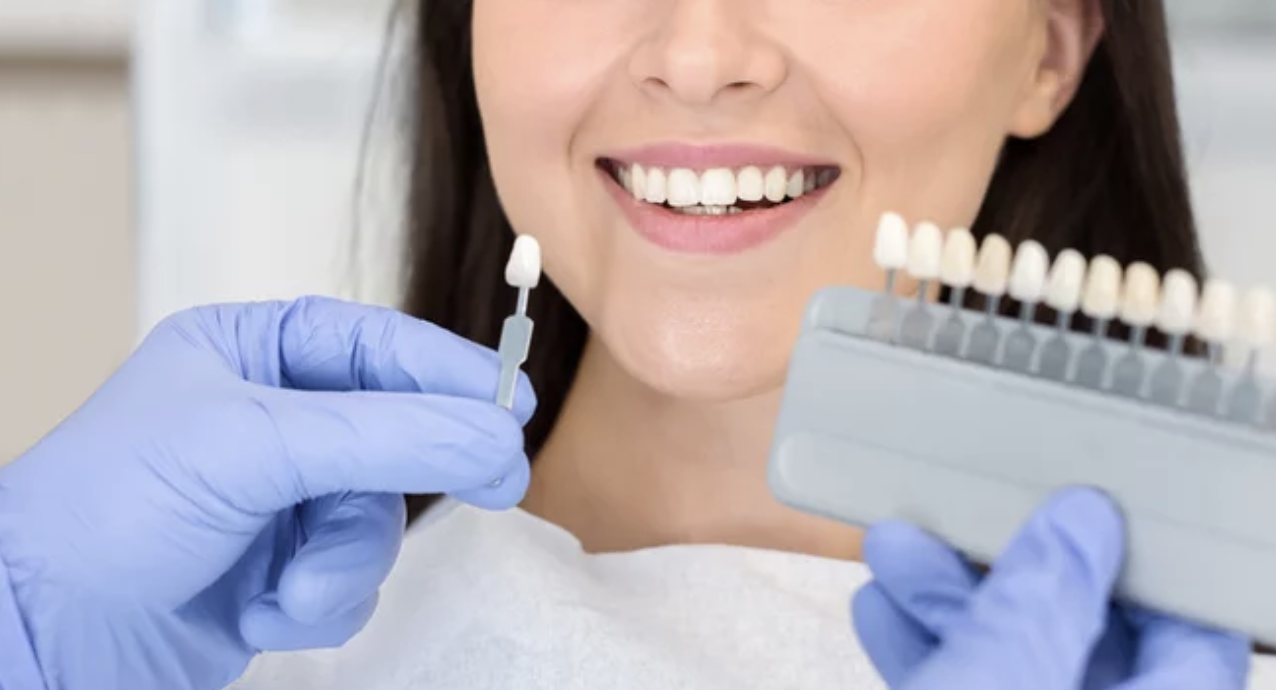
Booking a professional clean with your Happy Smiles dentist is the ultimate way to reset your oral health. We use specialised ultrasonic instruments to gently vibrate the hard calculus off your teeth. We polish away the stubborn tea, coffee, and red wine stains accumulated over the winter. We apply a concentrated professional fluoride treatment to fortify your enamel for the months ahead.
Treat your smile with the same care and attention you give the rest of your life. Refresh your tools, refine your technique, and visit Happy Smiles Dental Care Tamworth this September. Step into the new season with a bright, healthy, and perfectly clean smile.