
Winter Comforts and Your Smile: Navigating Oral Health During the Colder Months
June marks the official beginning of winter here in Australia. As the temperature drops across Tamworth, our daily habits naturally begin to change. We spend more time indoors. We turn up the central heating. We swap crisp salads and cold water for hearty soups, rich comfort foods, and continuous cups of hot tea or coffee.
While these winter comforts warm the soul, they can quietly wreak havoc on your oral health. Many people do not realise that the changing seasons directly impact their mouth. The foods we eat, the way we stay warm, and the winter illnesses we fight all play a significant role in the health of our teeth and gums.
Understanding how winter affects your mouth is the first step in protecting it. Let us explore the hidden dental challenges of the colder months and discuss simple, proactive ways to keep your smile healthy until spring arrives.
The Hidden Dangers of Warm Winter Beverages
When the morning frost settles, nothing feels better than wrapping your hands around a hot cup of coffee, tea, or hot chocolate. We tend to sip these warm drinks slowly over long periods to stay warm. Unfortunately, this prolonged sipping creates a perfect storm for dental issues.
Most warm winter drinks contain high levels of acidity and sugar. Even if you do not add sugar to your tea or coffee, many hot chocolates and seasonal lattes come loaded with hidden syrups. When you sip a sugary drink over an hour, you bathe your teeth in a constant stream of sugar. The bacteria in your mouth feed on this sugar and produce acid. This acid actively attacks your tooth enamel.
Furthermore, tea and coffee contain tannins. Tannins are organic compounds that give these drinks their dark colour and bitter flavour. They bind easily to the microscopic ridges in your enamel, causing stubborn brown or yellow stains.
You do not have to give up your favourite winter drinks. Instead, try to consume them more quickly rather than sipping them all morning. Drink a glass of plain water immediately afterwards to wash away the sugars and tannins. This simple habit drastically reduces the risk of staining and decay.
Comfort Foods and Carbohydrates
Winter is the season for comfort food. We naturally crave warm breads, thick pastas, pastries, and baked goods. These foods provide immediate comfort and warmth, but they also introduce a massive load of complex carbohydrates into your mouth.
Your digestive process actually begins in your mouth, not your stomach. Your saliva contains special enzymes that immediately begin breaking down carbohydrates into simple sugars. When you eat a piece of warm bread, your mouth treats it exactly the same way it treats a lolly.
Sticky carbohydrates, like pastries or crackers, easily lodge deep in the grooves of your back molars. They also pack tightly between your teeth. If you do not brush and floss thoroughly, these hidden carbohydrates provide a long-lasting feast for plaque-causing bacteria.
You can protect your teeth by balancing your winter diet. Try to pair carbohydrate-heavy meals with crunchy vegetables like carrots or celery. Crunchy foods act as natural toothbrushes. They stimulate saliva production and help physically scrub sticky food particles away from your enamel.
The Threat of Dry Mouth from Central Heating
We rely heavily on central heating, space heaters, and roaring fireplaces to keep our Tamworth homes warm during June. While these heat sources keep us cosy, they completely strip the moisture from the indoor air.
Breathing warm, dry air all day and night quickly leads to a condition known as xerostomia, or dry mouth. Saliva is your mouth’s most powerful natural defence system. It constantly washes away food particles, neutralises harmful acids, and deposits vital minerals back into your enamel.
When your mouth dries out, you lose this crucial protection. Plaque bacteria multiply rapidly in a dry environment. A persistent dry mouth significantly increases your risk of developing cavities, gum inflammation, and bad breath.
To combat winter dry mouth, you must actively prioritise hydration. We often forget to drink water when we feel cold. Keep a bottle of room-temperature water nearby and take regular sips throughout the day. You can also run a humidifier in your bedroom at night to add moisture back into the air while you sleep.
Managing Winter Colds and Flu Sensibly
Winter is synonymous with cold and flu season. When we fall ill, our oral hygiene routine often falls by the wayside. We lack the energy to stand at the bathroom sink, and we reach for remedies that soothe our throats but harm our teeth.
Cough drops and throat lozenges are major culprits. Many popular brands consist almost entirely of sugar. Sucking on a sugary lozenge is exactly like sucking on a hard lolly. If you use them constantly to soothe a cough, you put your teeth at immense risk. Always look for sugar-free alternatives at the pharmacy.
Additionally, many liquid cold medications contain high levels of sugar and alcohol, both of which dry out the mouth. Always brush your teeth after taking liquid medication, especially before bed.
If you suffer from a stomach bug that causes vomiting, your teeth face an extreme acidic challenge. Stomach acid is highly corrosive and temporarily softens tooth enamel. Never brush your teeth immediately after vomiting, as the abrasive brushing action will permanently strip away the softened enamel. Instead, rinse your mouth thoroughly with water or a fluoride mouthwash, and wait at least thirty minutes before brushing.
Tooth Sensitivity and Cold Air
Does a sharp intake of cold winter air cause your teeth to ache? This sharp, sudden pain is a classic sign of tooth sensitivity.
As we age, our gums naturally recede slightly, exposing the underlying tooth root. Unlike the crown of the tooth, the root does not have a protective layer of hard enamel. It is covered by a softer material called dentine. Dentine contains thousands of microscopic tubes that lead directly to the tooth's nerve.
When freezing winter air hits these exposed tubes, the nerve registers the temperature change as sharp pain. Grinding your teeth or brushing too hard can also wear away your enamel and cause this exact same sensitivity.
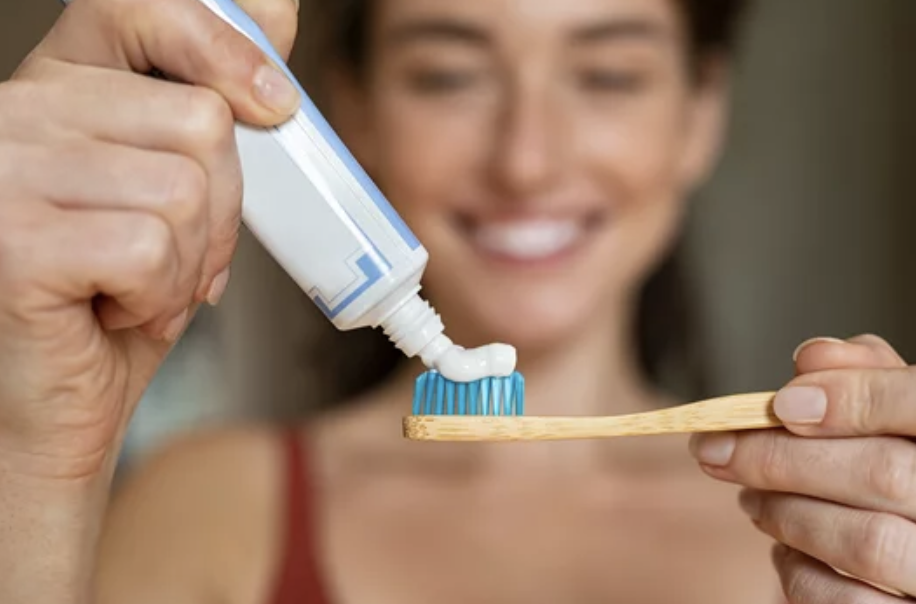
If you experience pain when breathing cold air, switch to a soft-bristled toothbrush and use a toothpaste specifically designed for sensitive teeth. These toothpastes contain special compounds that physically block the microscopic tubes in the dentine.
Why Winter is the Perfect Time for a Check-Up
Winter naturally slows our routines down. We spend less time traveling and more time close to home. This slower pace makes June an ideal time to prioritise your healthcare and book a comprehensive check-up.
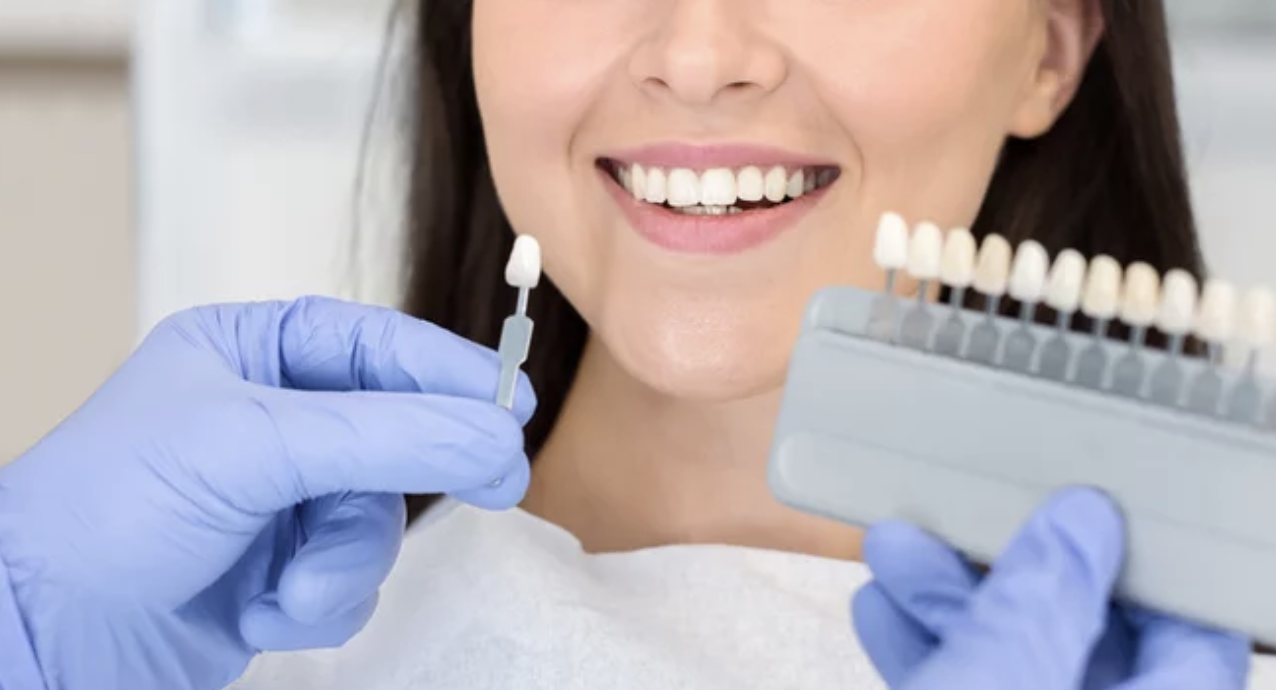
Addressing minor dental issues during the winter prevents them from turning into major emergencies during the busy spring and summer months. Your Happy Smiles dentist can apply professional fluoride treatments to strengthen your enamel against winter sugars. We can also assess any cold-air sensitivity and provide targeted relief.
At Happy Smiles dental care Tamworth, we focus entirely on educating our patients. We want you to understand exactly how your lifestyle choices affect your mouth. We equip you with the knowledge and tools you need to maintain a strong, healthy smile all year round.
Embrace the colder months with confidence. By making small, mindful adjustments to your winter habits, you can enjoy all your favourite comfort foods without compromising your oral health.