
A Lifetime of Smiles: How Your Dental Needs Change as You Age
Your body undergoes continuous, remarkable changes as you journey through life. You accept that your metabolism slows down, your eyesight changes, and your joints require more care as the decades pass. Yet, many people mistakenly assume that their oral health remains static. They believe that brushing twice a day is the exact same task at age sixty as it was at age twenty.
In reality, your mouth is a dynamic environment. Your oral health needs shift dramatically during every stage of your life. The challenges you face in your teenage years are completely different from the challenges you face in retirement.
Understanding how ageing affects your teeth, gums, and jawbone allows you to anticipate these changes. When you adapt your hygiene routine to match your current stage of life, you set yourself up for long-term success. Let us explore the changing landscape of your mouth from young adulthood through to your senior years.
The Twenties and Thirties: Stress and Enamel Wear
Your twenties and thirties are often defined by massive life transitions. You start careers, build relationships, buy homes, and start families. These decades are exciting, but they are also profoundly stressful.
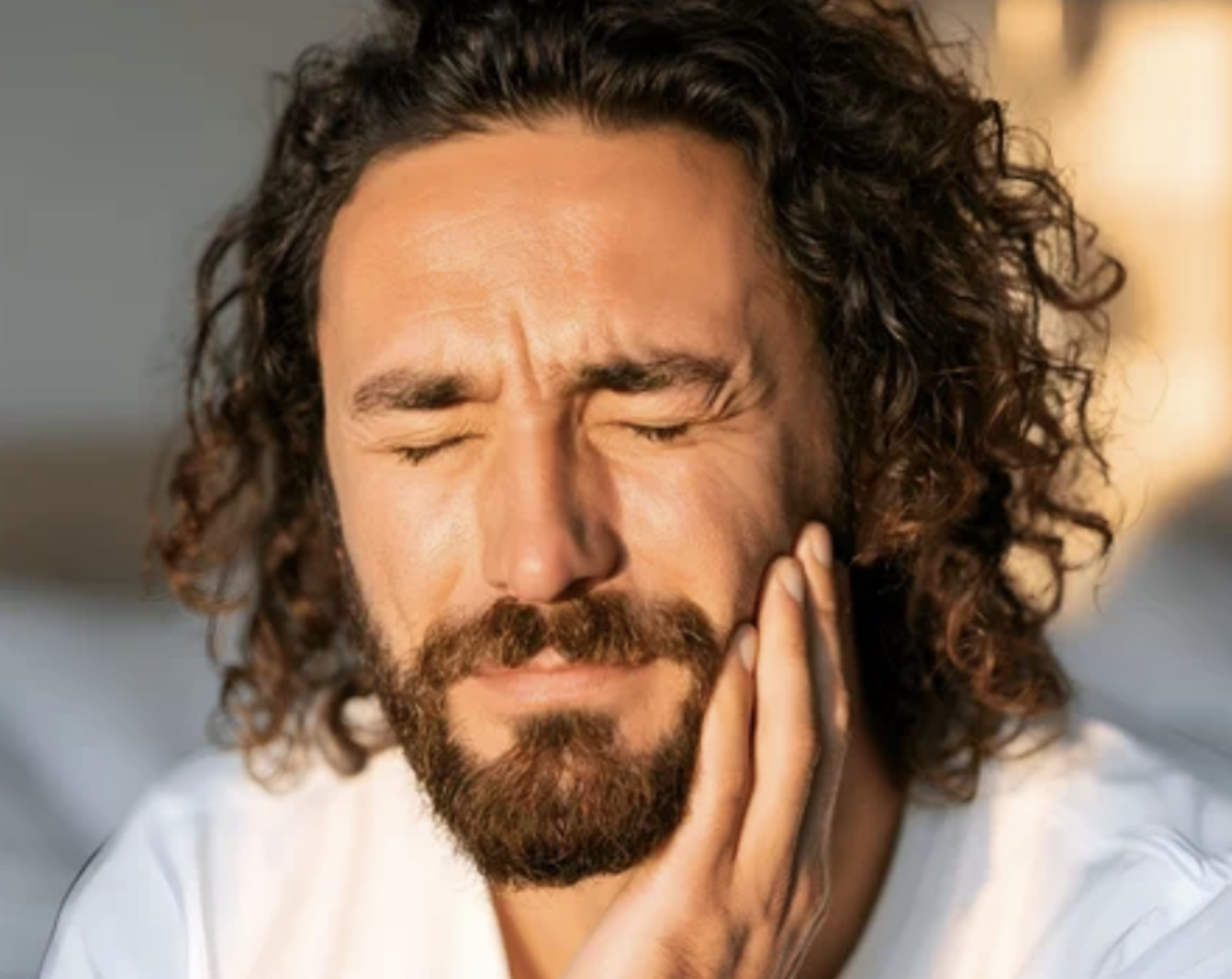
This stress often manifests directly in your mouth. Young adults experience high rates of bruxism, which is the subconscious clenching and grinding of teeth. Most people grind their teeth at night while they sleep, completely unaware that they are doing it.
Chronic grinding places immense physical pressure on your teeth. It slowly wears away the protective enamel, leaving the edges of the teeth flattened, chipped, and highly sensitive to cold temperatures. Grinding also strains the jaw joints, leading to frequent morning headaches and sore facial muscles.
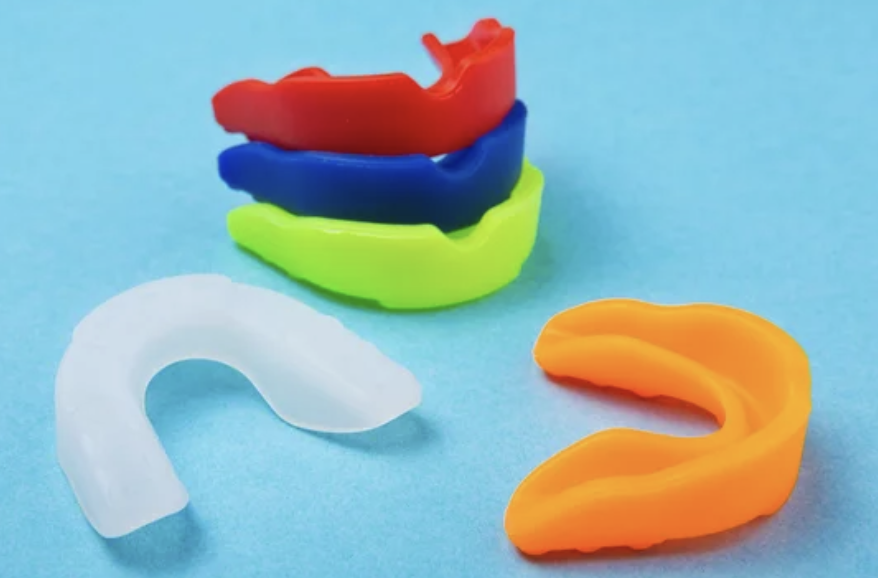
During these decades, lifestyle habits also take a toll. Increased consumption of coffee, acidic energy drinks, and social alcohol can accelerate enamel erosion. The primary focus for your Happy Smiles dentist during these years is protection. We often recommend custom-fitted night guards to protect your teeth from grinding, and we focus heavily on enamel strengthening therapies.
The Forties and Fifties: The Era of Gum Changes
As you enter your forties and fifties, the focus often shifts from the hard teeth to the soft tissues supporting them.
Over decades of chewing and brushing, your gums naturally begin to recede slightly. As the gum tissue pulls back, it exposes the delicate root of the tooth. Unlike the crown of the tooth, the root lacks a hard enamel coating. It is covered by dentine, which is softer and much more susceptible to rapid decay. Root cavities become a significant concern during these decades.
Furthermore, decades of accumulated plaque and tartar increase the risk of advanced gum disease (periodontitis). Hormonal changes, particularly during menopause for women, can also exacerbate gum inflammation and cause a burning sensation in the mouth.
Old dental work also begins to fail during this stage of life. The large silver fillings you received as a teenager have likely reached the end of their lifespan. They may begin to leak or crack the surrounding tooth structure. At Happy Smiles dental care Tamworth, we focus closely on monitoring your gum health, measuring gum recession, and proactively replacing failing restorations before they cause painful tooth fractures.
The Sixties and Beyond: Dry Mouth and Dexterity
Entering your senior years brings an entirely new set of oral health challenges. The most prominent issue facing older adults is xerostomia, or severe dry mouth.
As we age, our salivary glands naturally produce slightly less saliva. More importantly, older adults frequently take multiple daily medications for conditions like high blood pressure, cholesterol, or arthritis. Dry mouth is a listed side effect for hundreds of common prescription medications.
A lack of saliva removes your mouth’s primary defence against bacteria. Without saliva to wash away food and neutralise acid, decay can spread rapidly, often destroying teeth in a matter of months. Managing dry mouth through specialized rinses, increased water intake, and prescription saliva substitutes becomes a daily priority.
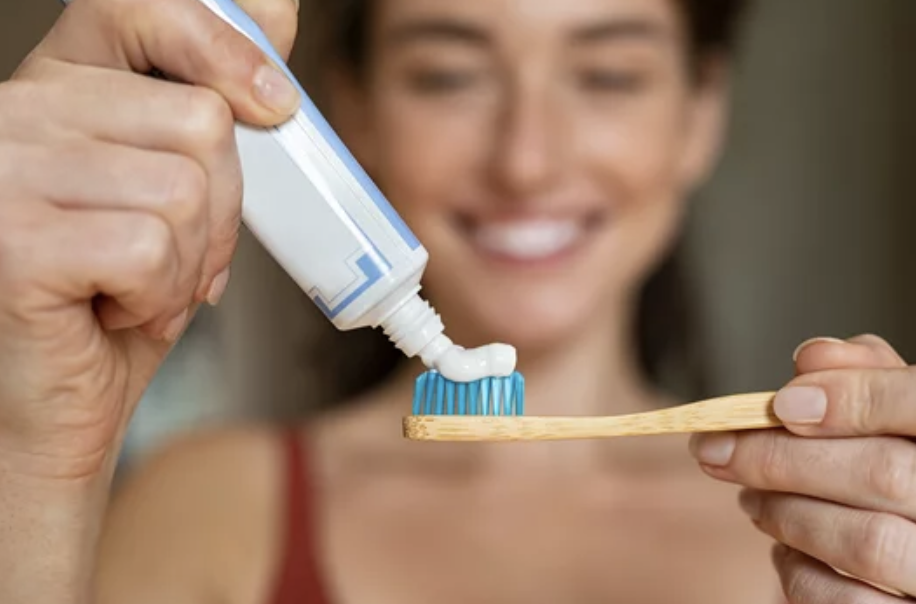
Physical dexterity also changes. Arthritis in the hands and fingers can make gripping a manual toothbrush difficult or painful. If you cannot brush effectively, plaque builds up quickly. Switching to a high-quality electric toothbrush with a thick, easy-to-grip handle often solves this problem entirely.
The Threat of Tooth Loss is Not Inevitable
There is a pervasive, outdated myth that losing your teeth is simply a natural part of getting older. This is absolutely false.
Teeth do not fall out simply because you celebrate a specific birthday. They fall out due to untreated disease, specifically, severe tooth decay or advanced gum disease that destroys the supporting jawbone. With meticulous home care and regular professional maintenance, your natural teeth can easily last for your entire life.
If you have lost teeth in the past, replacing them becomes crucial for maintaining the structure of your face and your ability to chew nutritious food. Modern dentistry offers incredible solutions, from natural-looking dentures to permanent dental implants that function exactly like real teeth.
A Partnership for Every Stage of Life
No matter your age, you deserve to eat comfortably, speak clearly, and smile with confidence. Adapting your oral hygiene routine is not a sign of defeat; it is a sign of proactive, intelligent healthcare.
We design our care around your specific stage of life. We do not offer generic, one-size-fits-all advice. We evaluate your current age, your medical history, your medication list, and your physical abilities to create a tailored hygiene plan that actually works for you.
Do not ignore the changing needs of your mouth. Embrace the different stages of life by partnering with a dedicated dental team. We are here to support your oral health journey from your very first tooth to your senior years.