Building Better Routines: The Psychology Behind Consistent Oral Hygiene
We all know the fundamental rules of dental care. We must brush twice a day for two minutes, and we must floss every single night. The instructions are incredibly simple. Yet, dental professionals know that a significant percentage of adults struggle to follow these simple instructions consistently.
Why do we fail to do something so simple, even when we know it prevents pain and saves us money?
The answer rarely has anything to do with laziness or a lack of knowledge. The answer lies entirely in human psychology and the science of habit formation. Brushing and flossing are behaviours, and changing human behaviour requires more than just willpower. It requires strategy.
Let us explore the fascinating psychology behind habit building. By applying a few simple behavioural strategies, you can transform oral hygiene from a frustrating daily chore into an effortless, automatic routine.
The Myth of Motivation and Willpower
When people want to improve their dental habits, they usually rely on motivation. You leave the dental clinic feeling motivated to floss every day. For three days, you floss perfectly. Then, you have a late night at work. You feel exhausted. Your motivation disappears, your willpower crumbles, and you skip the floss. Within a week, the habit vanishes completely.
Motivation is an emotion, and emotions are notoriously unreliable. You cannot rely on motivation to perform a daily task. Willpower is like a battery; it drains throughout the day as you make decisions and manage stress. By the time you stand in front of the bathroom mirror at night, your willpower battery is completely empty.
To build a consistent routine, you must remove the reliance on motivation and willpower entirely. You must make the behaviour automatic.
The Power of 'Habit Stacking'
One of the most effective psychological strategies for building a new habit is called "habit stacking."
Your brain already contains hundreds of strong, deeply ingrained habits. You automatically turn on the coffee machine in the morning. You automatically lock the front door when you leave the house. You do not need willpower to do these things.
Habit stacking involves attaching a new, desired habit directly onto an old, established habit. You use the old habit as the trigger for the new one.
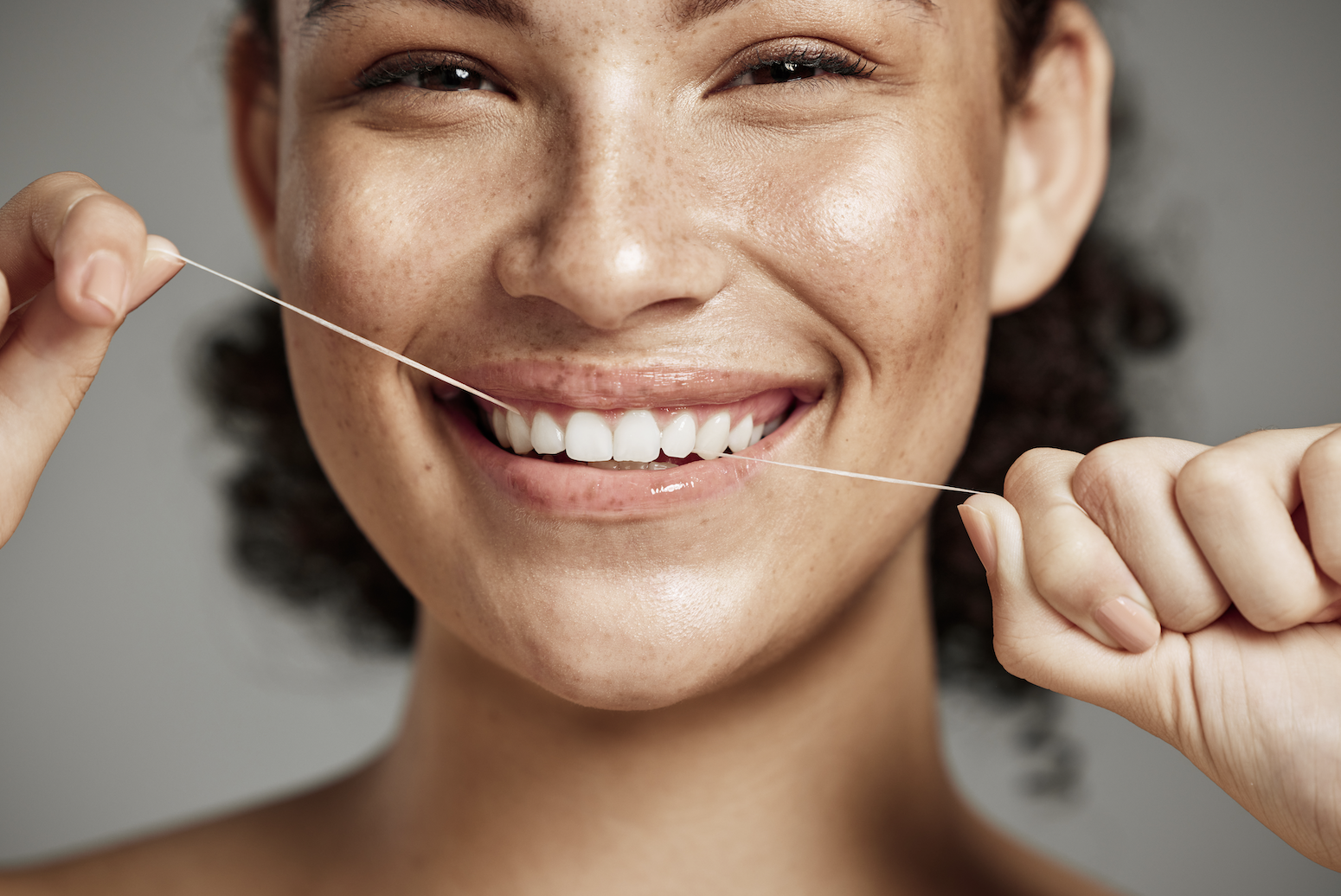
For example, if you struggle to remember to floss, do not just tell yourself, "I will floss tonight." Instead, stack it. Say, "After I put my toothbrush back in the holder, I will immediately pick up the floss."
The action of putting the toothbrush away becomes the undeniable trigger to floss. By pairing the two actions together repeatedly, your brain eventually links them permanently.
Reducing Friction in Your Environment
Human beings are biologically wired to conserve energy. We naturally gravitate toward the easiest option. In behavioural science, any obstacle that makes a task slightly harder is called "friction."
If you keep your dental floss buried at the back of a bathroom drawer, underneath a pile of old makeup or shaving supplies, you have created high friction. Your exhausted brain perceives the act of digging through the drawer as too much effort, so you skip flossing.
To build a good habit, you must aggressively remove the friction. Design your environment to make the good habit the easiest possible option.
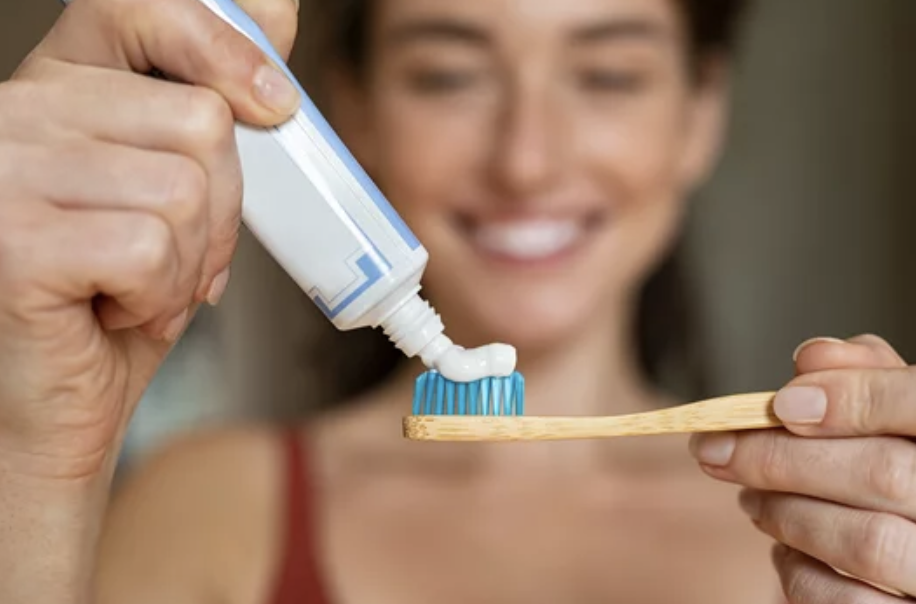
Take your floss out of the drawer and place it directly on the bathroom counter, right next to your toothpaste. Keep a spare packet of floss picks in your car console to use while stuck in traffic, or keep a packet next to the television remote to use while watching the evening news. When the tools are highly visible and instantly accessible, you drastically increase the likelihood of using them.
The Two-Minute Rule for Building Momentum
When you have neglected your oral hygiene for a long time, the idea of suddenly brushing perfectly for two minutes and flossing every tooth feels overwhelming. Your brain resists the sudden massive change.
Use the "Two-Minute Rule" to bypass this resistance. When starting a new habit, scale it down to a version that takes less than two minutes to complete.
If flossing your entire mouth feels too difficult tonight, commit to flossing just one single tooth. That is your only goal. Floss one tooth, and then you are allowed to stop.
Psychologically, the hardest part of any task is simply starting. Once you pick up the floss and clean one tooth, you break the initial resistance. More often than not, you will find that since you already have the floss in your hands, you might as well clean the rest of your teeth. You trick your brain into starting, and momentum carries you through.
Celebrating the Small Wins
Your brain repeats behaviours that provide an immediate feeling of reward or satisfaction. Unfortunately, the true reward of brushing and flossing—preventing a cavity—is delayed by months or years. Your brain struggles to connect the daily effort with the distant reward.
You must artificially create an immediate feeling of success. When you finish your newly stacked habit, take one second to acknowledge the win. Smile in the mirror, cross it off a physical calendar with a red pen, or simply tell yourself "Good job." This tiny moment of self-acknowledgement releases a small hit of dopamine in your brain, reinforcing the habit loop.
Professional Support for Your Routine
Building new habits takes time and patience. You will occasionally miss a day, and that is perfectly normal. The goal is consistency, not absolute perfection.
Your dental team plays a vital role in supporting your habits. Regular visits to your Happy Smiles dentist provide a powerful external layer of accountability. We celebrate your hygiene improvements and provide gentle, constructive guidance when you struggle.
At Happy Smiles dental care Tamworth, we understand the realities of busy modern life. We do not lecture you for imperfect habits. Instead, we work collaboratively with you. We suggest practical tools, recommend specific products, and help you design a sustainable routine that fits seamlessly into your lifestyle.
Transforming your oral health is not about finding more motivation; it is about designing better systems. Apply these psychological strategies to your bathroom routine tonight, and watch how quickly excellent Happy Smiles dental carebecomes an effortless part of your daily life.